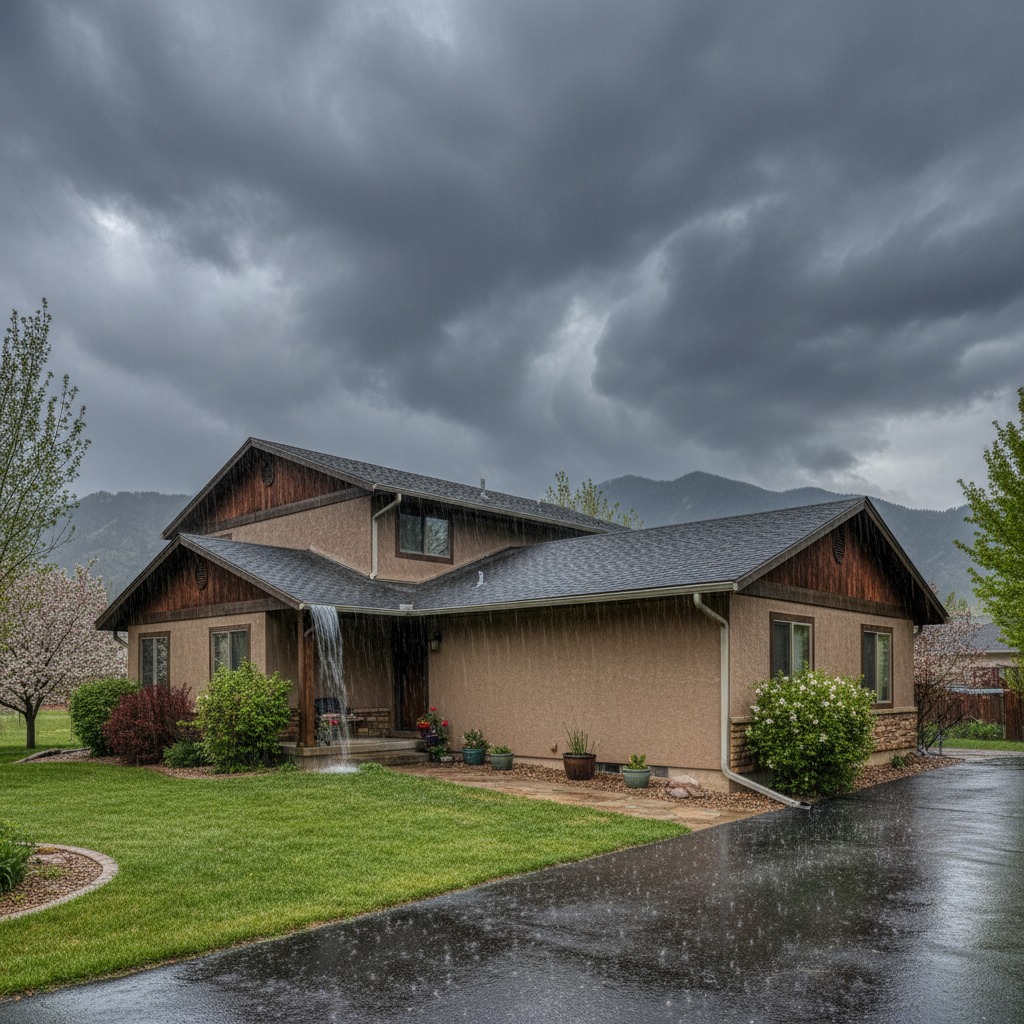
Spring in Utah can be a little unpredictable. One day it's warm, sunny, and perfect for being outside. The next day the wind picks up, the rain starts coming down sideways, and suddenly the weather feels like it changed overnight.
While spring storms might not seem as dramatic as winter snowstorms, they can still cause a surprising amount of damage to homes. Heavy rain, strong winds, and melting snow can lead to things like roof leaks, flooded basements, and water damage if your home isn't prepared.
The good news is that a few simple checks around your home can go a long way in preventing problems before the next storm rolls in.
Start With Your Gutters
Gutters are one of those parts of a house that most people don't think about very often—until something goes wrong.
After fall leaves and winter debris build up, gutters can easily become clogged. When spring rainstorms hit, that water has nowhere to go. Instead of flowing safely away from your home, it spills over the sides.
When that happens, water can end up near places you definitely don't want it, like your roofline or your home's foundation.
Over time, overflowing gutters can cause:
- Roof leaks
- Water getting behind siding
- Basement moisture problems
- Foundation damage
Taking a little time to clean out your gutters in the spring can prevent a lot of headaches later on.
Take a Look at Your Roof
You don't need to climb up there yourself, but it's worth taking a quick look at your roof from the ground.
Winter weather can be tough on roofing materials. Snow, ice, and freezing temperatures sometimes loosen shingles or create small gaps that aren't noticeable right away. Then spring rain arrives and suddenly water starts finding its way inside.
A few things to watch for include:
- Missing shingles
- Shingles that look cracked or curled
- Pieces of roofing material in the yard
- Areas of the roof that look uneven or worn
If anything looks unusual, it might be worth having a professional inspection before storm season really gets going.
Make Sure Water Drains Away From Your House
Spring storms can bring a lot of rain in a short amount of time. When that water doesn't drain away from your home properly, it may start pooling near the foundation.
And water sitting near your foundation is rarely a good thing.
After the next rainfall, take a walk around your home and see where the water collects. If you notice puddles near your house or basement windows, your drainage might need some improvement.
Some simple fixes include:
- Extending downspouts farther away from the house
- Filling low spots in the yard
- Adjusting landscaping so it slopes away from the foundation
Water should always move away from your home, not toward it.
Keep an Eye on Your Basement
Basements are one of the most common places where storm-related water problems show up.
Before spring storms get more frequent, it's a good idea to check your basement for early warning signs. These might include:
- Musty or damp smells
- Water stains along the bottom of walls
- Peeling paint on concrete surfaces
- Damp areas near the floor
Sometimes these signs appear long before actual standing water shows up. Catching them early can help prevent larger issues down the road.
Watch Out for Wind Damage
Spring storms in Utah often bring strong wind along with rain.
Loose outdoor items can easily become airborne when gusts pick up. Patio furniture, grills, trampolines, and yard decorations can all move around more than you'd expect.
Before a storm arrives, it's a good idea to secure or store lighter outdoor items so they don't end up damaging siding, windows, or fences.
Plus, your neighbors will probably appreciate not finding your lawn chair in their yard.
Trim Back Tree Branches
Trees are great for shade and curb appeal, but large branches hanging over your roof can become risky during storms.
Heavy rain and strong winds can cause weak branches to snap and fall onto your roof or gutters.
Trimming branches that hang close to your home can help reduce the chances of unexpected damage during stormy weather.
If Water Damage Happens, Act Quickly
Even if you prepare your home well, storms can still cause unexpected problems.
If water does get inside your home, the most important thing is to act quickly. The longer moisture sits, the more damage it can cause.
A few helpful first steps include:
- Stopping the source of water if possible
- Moving furniture and valuables away from the affected area
- Taking photos for insurance documentation
- Starting the drying process with fans and ventilation
Getting the area dry as soon as possible can help prevent mold growth and additional damage.
How Disaster Repair Team Helps Utah Homeowners
At Disaster Repair Team, we help homeowners throughout Utah recover from storm damage and water damage when the unexpected happens.
Our team has the tools and experience needed to remove water, dry affected areas, and restore your home safely and efficiently.
We provide services including:
- Water damage restoration
- Mold remediation
- Storm damage cleanup
- Fire and smoke damage restoration
- Sewage cleanup
When damage happens, our goal is to help you get your home back to normal as quickly as possible.
A Little Preparation Can Save a Lot of Trouble
Spring storms are a normal part of living in Utah, but that doesn't mean they have to lead to serious home damage.
Taking a little time to check your gutters, inspect your roof, and make sure water drains properly around your home can make a big difference.
And if a storm does leave you dealing with water damage, Disaster Repair Team is here to help homeowners across Utah restore their homes and move forward with confidence.