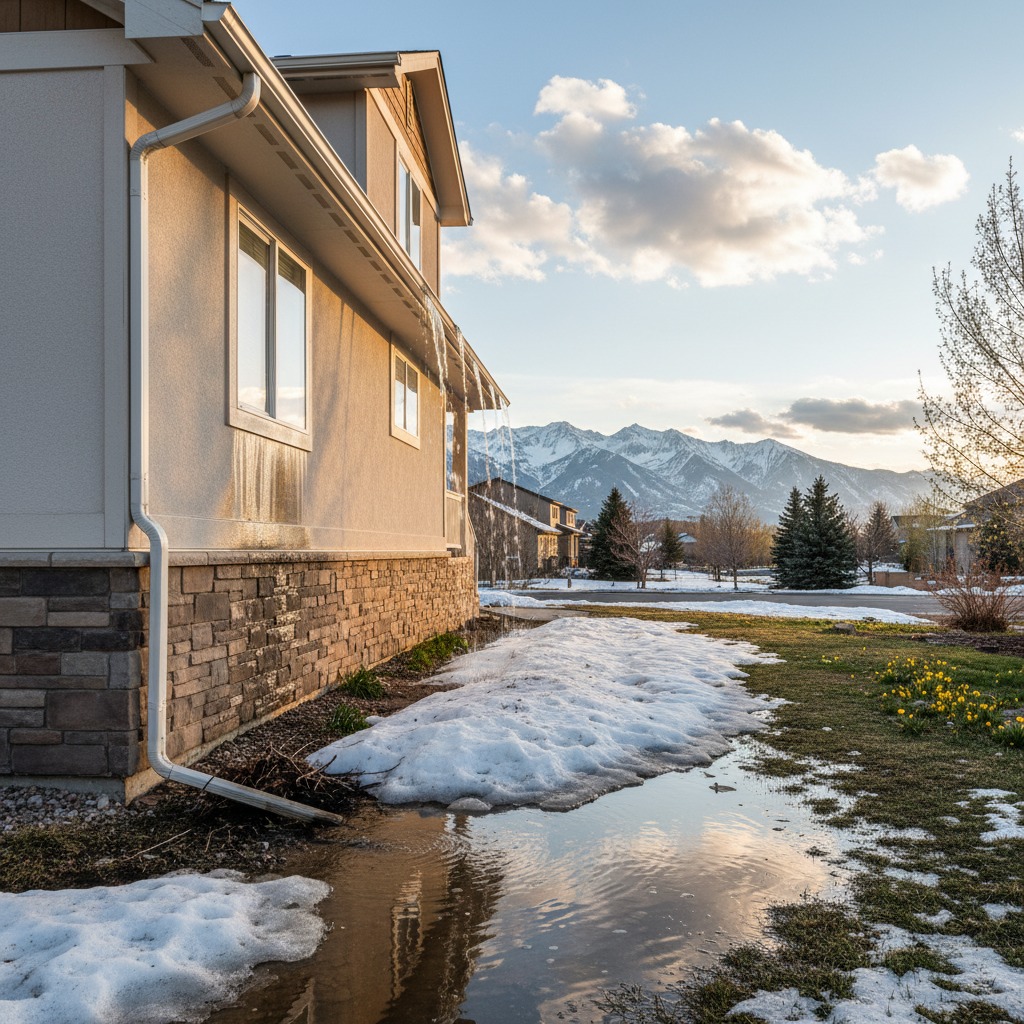
After a long Utah winter, spring usually feels like a relief. The snow starts melting, the days get longer, and people finally get a chance to open the windows and enjoy the warmer weather. But while spring can be a welcome change, it can also bring some serious problems for homeowners—especially when it comes to water damage.
A lot of people think of water damage as something that happens during a big storm or after a pipe bursts. But in reality, spring can be one of the most common times for water issues to show up. Melting snow, heavy rain, clogged gutters, roof leaks, and drainage problems can all put your home at risk.
Sometimes the signs are obvious. Other times, water damage starts small and goes unnoticed until it becomes a much bigger repair. That's why it helps to know what to look for and what steps to take before a small issue turns into major damage.
Why Spring Can Be So Hard on Homes
Spring weather creates the perfect setup for moisture problems. As snow melts and rainstorms become more frequent, your home has to handle a lot more water than it did during the winter. If there's already a weak spot somewhere—like a roof issue, a clogged gutter, or poor drainage around the foundation—spring is often when it starts to show.
In Utah, this is especially common because weather can change quickly. One week may feel dry and mild, and the next could bring melting snow, rain, and cold nights all at once. That constant shift can put extra stress on roofing, foundations, and drainage systems.
Even if your home seemed fine all winter, spring can reveal problems that were building quietly the whole time.
Melting Snow Can Lead to Basement Leaks
One of the biggest spring water problems in Utah comes from snowmelt. When snow and ice begin to thaw, all of that water needs somewhere to go. If your yard doesn't drain well or the soil around your home becomes oversaturated, water can start collecting around the foundation.
Once that happens, it may find its way into your basement through small cracks, window wells, or other vulnerable areas.
At first, you might just notice a damp smell or a little discoloration on the wall. In more serious cases, you may see puddles, wet carpet, damaged baseboards, or water pooling near the foundation.
Basement water damage can be especially frustrating because it often affects storage areas, flooring, drywall, and anything else kept in lower levels of the home.
Spring Rain Can Expose Roof Leaks
Winter can be rough on a roof. Snow, ice, and freezing temperatures may wear down shingles or create weak points without causing an immediate leak. Then spring rain shows up and suddenly there's water getting into your ceiling or attic.
This is one of the reasons roof leaks seem to "appear out of nowhere" in the spring. The problem may have started earlier, but the signs do not show up until rain starts working its way in.
Some of the most common signs of a roof leak include:
- Water stains on ceilings
- Bubbling paint or drywall
- Damp attic insulation
- A musty smell upstairs
- Dripping during or after a rainstorm
Even a small leak can lead to bigger issues over time, especially if moisture spreads into insulation, wood framing, or drywall.
Gutters Matter More Than Most People Realize
Gutters are easy to ignore until they stop doing their job. After months of leaves, debris, and winter buildup, gutters can easily become clogged by the time spring arrives.
When that happens, rainwater and melting snow can overflow instead of draining away from the house. That water may spill down siding, collect near the foundation, or back up near the roofline.
Over time, this can lead to:
- Roof edge damage
- Rot around fascia and soffits
- Water near the foundation
- Basement seepage
- Damage to siding or exterior walls
A simple gutter issue can turn into a much larger water damage problem if it is not caught early.
Poor Drainage Around the Home Can Cause Trouble
Not every spring water problem comes from above. Sometimes the issue starts at ground level.
If water is not directed away from your home properly, it can collect around the foundation every time it rains or snow melts. Homes with poor grading, short downspouts, blocked drains, or low spots in the yard are especially vulnerable.
This kind of moisture problem can be easy to overlook at first, but repeated water exposure around the foundation can eventually lead to leaks, cracks, and interior damage.
If you've noticed soggy soil near your home, standing water after storms, or dampness in the basement every spring, drainage could be part of the problem.
Mold Can Follow Water Damage Quickly
One of the biggest reasons to take spring water damage seriously is mold. It does not take long for mold to start growing once moisture gets trapped in a home. In many cases, it can begin developing within a day or two.
That is why even a "small leak" should not be ignored.
Some signs that moisture may be leading to mold include:
- A musty smell that does not go away
- Dark spots on walls or ceilings
- Peeling paint
- Warped materials
- Worsening allergy-like symptoms indoors
Mold is not always visible right away. It can grow behind drywall, under flooring, inside insulation, or in other hidden spaces.
What to Do If You Notice Water Damage This Spring
If you discover water damage in your home, the most important thing is to act quickly. Waiting usually gives the damage more time to spread.
Here are a few smart first steps:
1. Stop the source if you can
If the water is coming from a plumbing issue or a visible leak, shut it off if it is safe to do so.
2. Document the damage
Take photos and videos of the affected areas before cleanup starts. This can be helpful if you need to file an insurance claim.
3. Remove what you can
Move furniture, rugs, electronics, and personal items out of the affected area if possible.
4. Start drying the space
Use fans, open windows when weather allows, and run dehumidifiers if you have them.
5. Call a restoration professional
Water has a way of getting into places you cannot easily see. A professional team can find hidden moisture, fully dry the area, and help prevent bigger issues like mold or structural damage.
How Disaster Repair Team Helps Utah Homeowners
At Disaster Repair Team, we help homeowners across Utah deal with the kind of property damage spring can bring. Whether it's a basement leak, roof leak, storm damage, or moisture that has turned into mold, our team is here to help you get things back to normal as quickly as possible.
We provide:
- Water damage restoration
- Mold remediation
- Storm damage cleanup
- Fire and smoke damage restoration
- Sewage cleanup
We know how stressful home damage can feel, especially when it happens unexpectedly. Our goal is to respond quickly, reduce the damage, and help you move forward with confidence.
Don't Let a Small Water Problem Turn Into a Big One
Spring is a great time of year in Utah, but it is also a season when a lot of hidden home issues start to surface. A little water in the basement, a small ceiling stain, or an overflowing gutter may not seem like a big deal at first—but those are often the early warning signs of a bigger problem.
Catching water damage early can save you a lot of stress, money, and repairs later on.
If your home has been affected by spring water damage, Disaster Repair Team is here to help homeowners throughout Utah restore their property and protect what matters most.