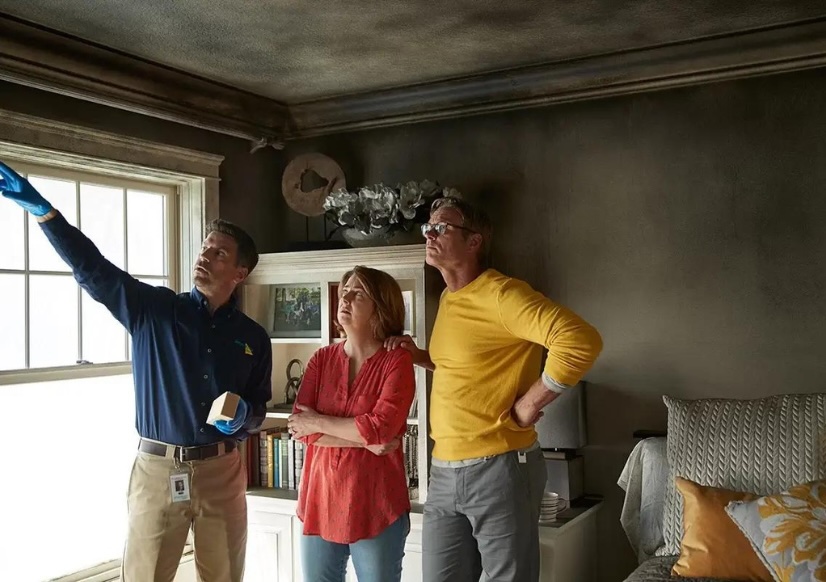
Smoke damage often extends far beyond what the eye can see, infiltrating the lungs of your home: the HVAC system. Even a small fire can circulate microscopic soot particles and toxic carcinogens through your air ducts, depositing them in rooms completely untouched by flames. Simply wiping down walls is not enough; the air quality itself must be restored to ensure the property is safe for habitation.
We specialize in deep-clean decontamination of ventilation systems to prevent the continuous recirculation of harmful particulates. Our team addresses respiratory irritants that embed themselves in insulation, carpets, and upholstery. By focusing on indoor air quality and hidden contamination, we ensure that your family or employees are not breathing in dangerous residues long after the fire trucks have left.
Understanding Smoke Damage
Smoke damage is often more extensive than fire damage itself. While flames may be contained to one area, smoke travels through every opening, crack, and vent in your home. The acidic nature of smoke residue means it continues to cause damage long after the fire is out, corroding metals, discoloring surfaces, and permanently staining materials if not properly addressed.
Types of Smoke Residue
Different fires produce different types of smoke residue, each requiring specific cleaning approaches. Dry smoke from fast-burning fires at high temperatures produces a fine, powdery residue. Wet smoke from slow-burning, smoldering fires creates a sticky, smeary residue that's more difficult to clean. Protein smoke from kitchen fires is nearly invisible but produces a strong odor. Fuel oil soot from furnace malfunctions is thick and difficult to remove. Our technicians identify the smoke type and apply appropriate cleaning methods.
How Smoke Travels Through Your Home
Smoke follows air currents and pressure differentials, finding its way into areas you might not expect. It enters wall cavities through electrical outlets, travels through HVAC ducts to every room, rises into attic spaces, and seeps into closets and cabinets. Understanding these pathways is essential to thorough smoke damage restoration.
Our Smoke Damage Restoration Process
Effective smoke damage restoration requires a systematic approach that addresses both visible residue and hidden contamination. Our process ensures complete restoration of air quality and surfaces throughout your property.
Assessment and Air Quality Testing
We begin with a comprehensive assessment of smoke damage throughout your property. This includes visual inspection of all surfaces, testing of air quality, and evaluation of HVAC systems. We identify the smoke type, map its distribution, and develop a customized cleaning plan.
Ventilation and Air Filtration
Before cleaning begins, we establish negative air pressure and install industrial HEPA air scrubbers to capture airborne particles. This prevents cross-contamination during cleaning and begins improving indoor air quality immediately. Air scrubbers run continuously throughout the restoration process.
Soot Removal From Surfaces
Soot removal requires specialized techniques to avoid spreading or embedding the residue. We use dry cleaning methods first—chemical sponges, HEPA vacuuming, and dry brushing—to remove loose soot without smearing. Wet cleaning follows only after dry residue is removed. Different surface materials require different cleaning solutions and methods.
HVAC System Cleaning
Your heating and cooling system can harbor smoke residue and continuously recirculate contaminants. We thoroughly clean all ductwork, registers, grilles, and HVAC components. Filters are replaced, and the system is sanitized to prevent ongoing air quality issues. In severe cases, duct replacement may be recommended.
Content Cleaning and Restoration
Personal belongings, furniture, clothing, and household items all absorb smoke and odors. We inventory affected contents and determine what can be restored versus what must be replaced. Restorable items are cleaned using appropriate methods—dry cleaning for fabrics, ultrasonic cleaning for hard goods, ozone treatment for odors.
Odor Elimination
Smoke odors can persist long after visible damage is cleaned. We use multiple odor elimination techniques including thermal fogging, ozone treatment, and hydroxyl generators. These methods neutralize odor-causing molecules rather than simply masking the smell. Complete odor elimination may require multiple treatments.
Health Risks of Smoke Damage
Smoke residue contains hundreds of toxic compounds that pose serious health risks. Understanding these dangers underscores the importance of professional restoration.
Respiratory Hazards
Inhaling smoke particles and residue can cause respiratory irritation, aggravate asthma and allergies, and lead to more serious respiratory conditions with prolonged exposure. Fine particulates can penetrate deep into the lungs. Children, elderly individuals, and those with pre-existing respiratory conditions are particularly vulnerable.
Chemical Exposure
Smoke from burning synthetic materials contains carcinogens and toxic chemicals. Burning plastics, treated wood, and household materials release compounds that can cause skin irritation, eye problems, and systemic health effects. Professional cleaning removes these hazardous residues from your living environment.
Long-Term Air Quality
Without proper restoration, smoke contamination continues affecting air quality for months or even years. Residue in carpets, upholstery, and HVAC systems releases particles whenever disturbed. Professional restoration eliminates these ongoing exposure risks.
When to Call Professionals
Even seemingly minor smoke damage warrants professional assessment. Signs that indicate the need for professional smoke restoration include visible soot on surfaces, persistent smoke odor, discoloration of walls or ceilings, and any smoke exposure to HVAC systems. The longer smoke residue remains, the more difficult and costly removal becomes.
Insurance Coverage for Smoke Damage
Smoke damage is typically covered under homeowners insurance policies, even when the fire originated outside your property. We work directly with insurance companies, providing detailed documentation of damage and restoration work. Our experience with smoke damage claims helps ensure you receive fair compensation for restoration costs.